
Introduction
Welcome to the world of Reverse Vending Machines (RVMs) in Eswatini! This website is dedicated to providing you with valuable information about RVMs and their role in promoting recycling in our country. Whether you're a curious individual, an environmentally conscious citizen, an investor, or a stakeholder committed to sustainability, this platform is designed to educate and inspire you. Join us on this journey as we explore the concept of RVMs, how they work, and their potential impact on our environment.
What are Reverse Vending Machines?
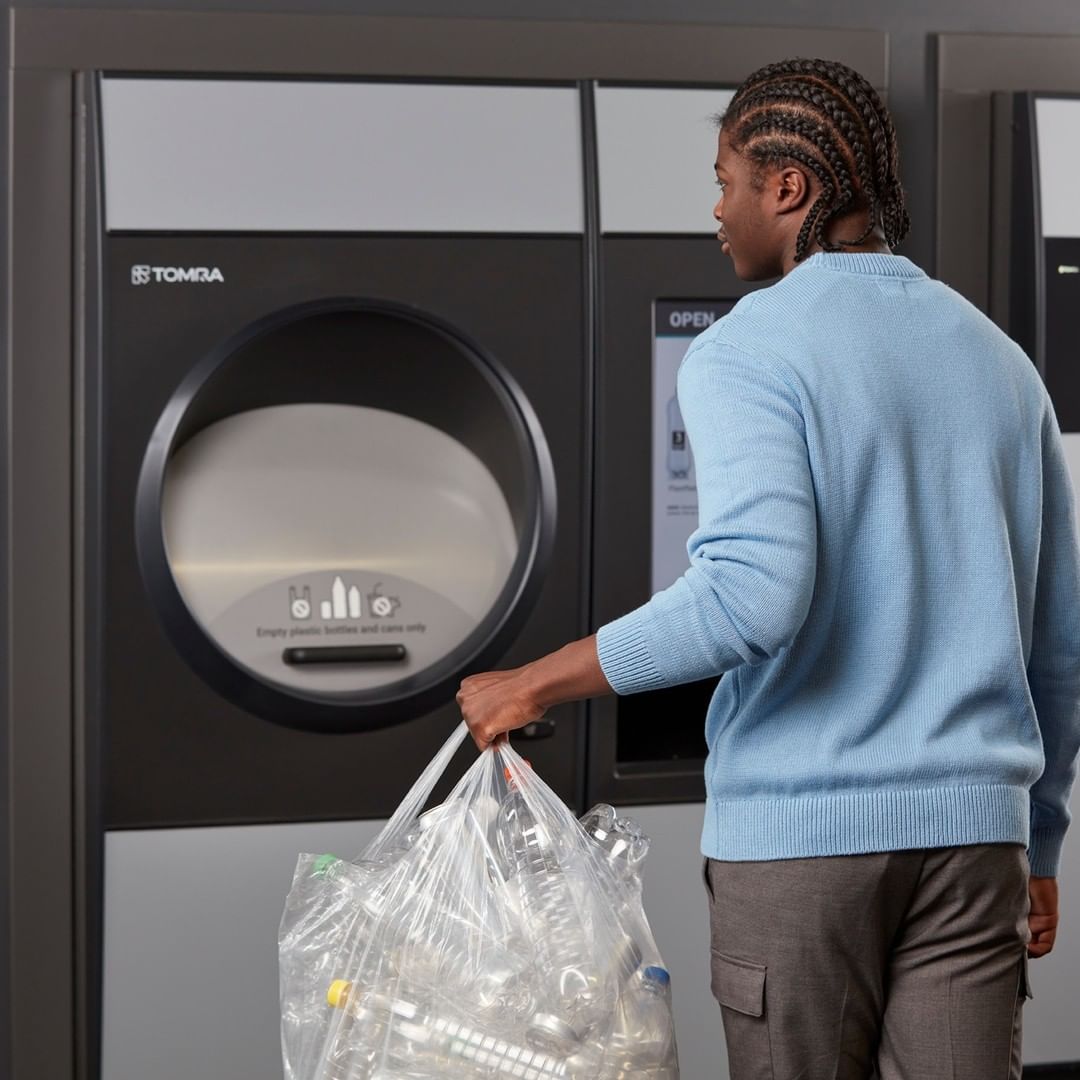
Reverse Vending Machines, also known as RVMs, are automated recycling systems that incentivize individuals to recycle by offering rewards in exchange for empty containers. These machines act as collection points, allowing users to deposit their used plastic bottles, aluminum cans, and other recyclable items. RVMs promote a circular economy by encouraging responsible waste management and resource conservation..
The Functionality of Reverse Vending Machines
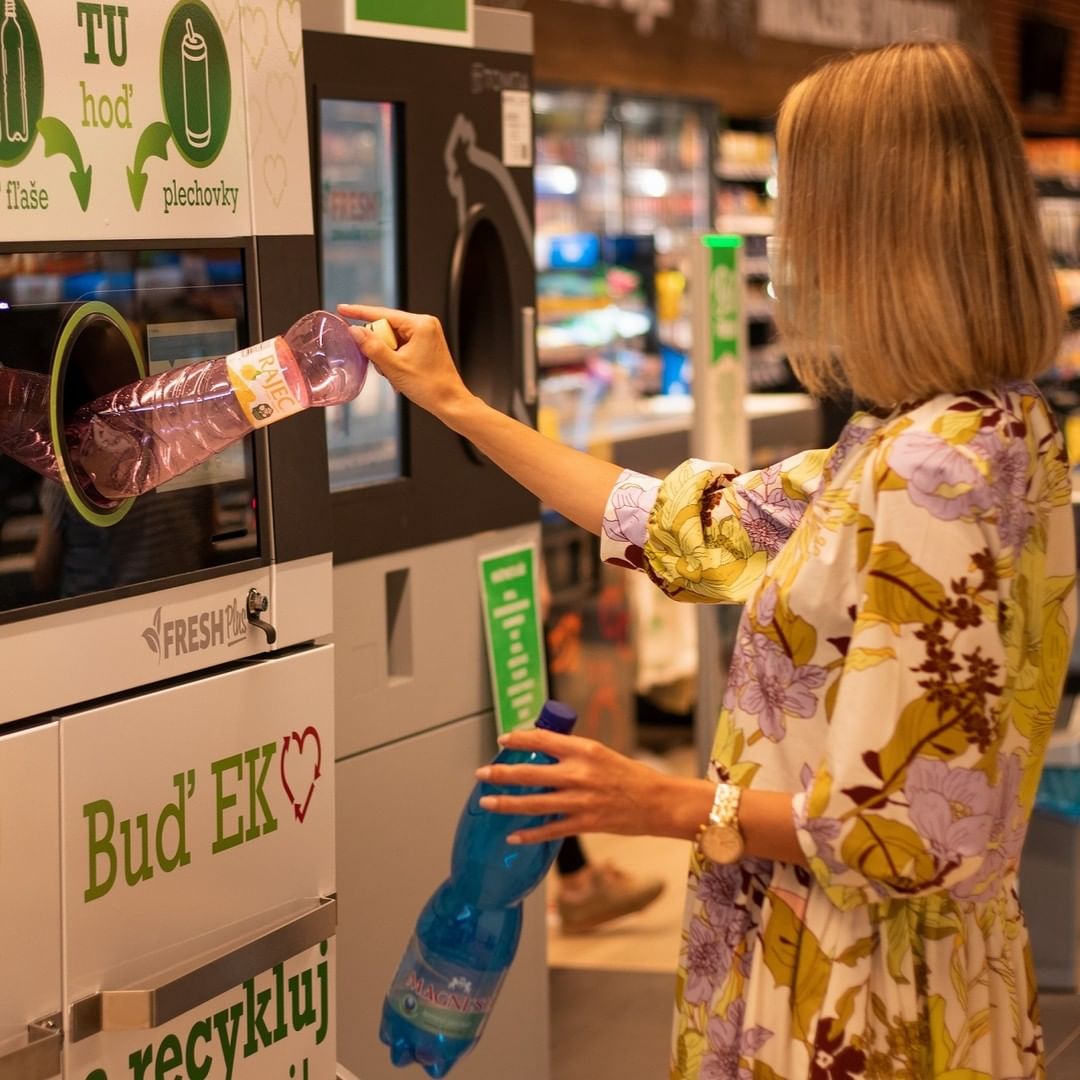
RVMs operate on a simple yet effective mechanism. When a user places a recyclable item into the machine, it recognizes and sorts it based on its material. The machine then provides immediate feedback, such as displaying the number of items recycled or issuing a receipt for accumulated rewards. Once the containers are deposited, RVMs compress and store them for efficient transportation to recycling facilities. By streamlining the recycling process, RVMs make it convenient and rewarding for individuals to contribute to a cleaner and greener Eswatini.
Benefits of Reverse Vending Machines
The adoption of RVMs in Eswatini offers numerous benefits for individuals, communities, and the environment. Firstly, RVMs create a sense of personal responsibility, empowering individuals to actively participate in recycling efforts. Secondly, they contribute to the reduction of litter and pollution, preserving the natural beauty of our country. Thirdly, RVMs support the local economy by promoting a sustainable waste management industry and creating employment opportunities. Lastly, RVMs help conserve valuable natural resources by recycling materials and reducing the need for raw material extraction.